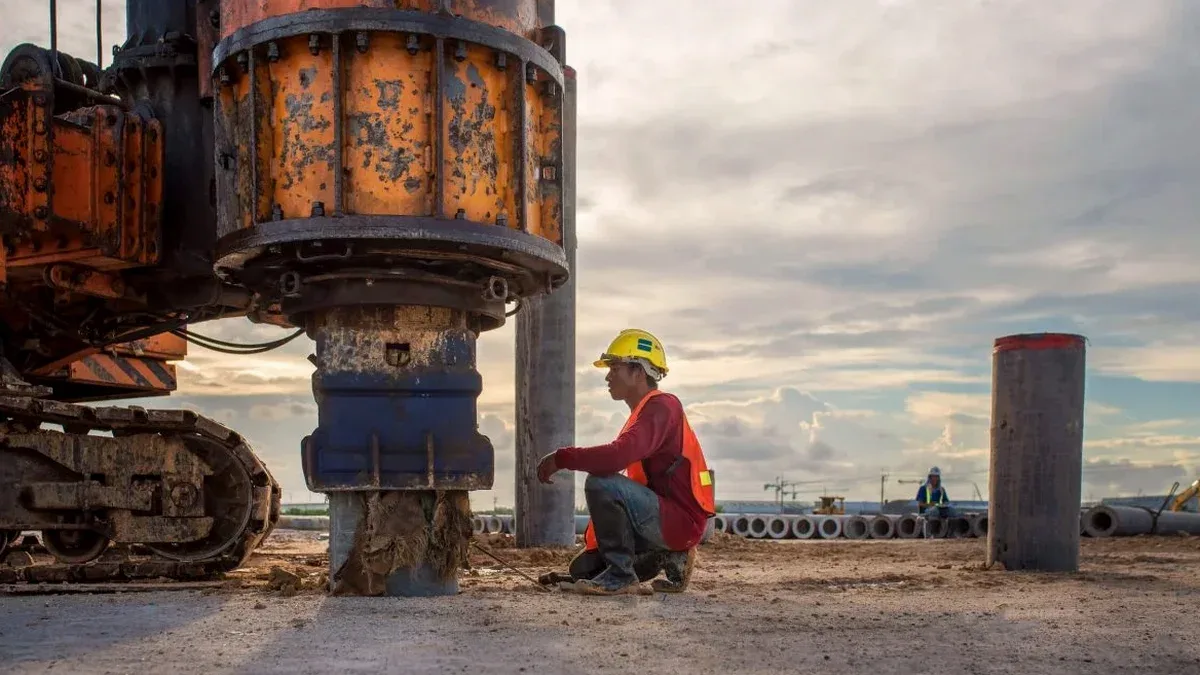
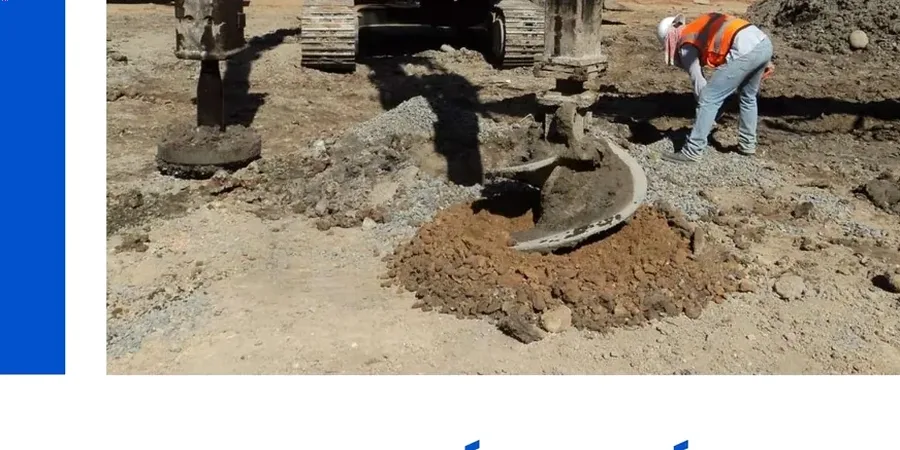
The San Joaquin Valley floor beneath Stockton is dominated by Holocene alluvial deposits—loose silts, lean clays, and pockets of saturated fine sand that extend well below 30 feet in many parts of the city. Groundwater here sits unusually high, often within 5 to 10 feet of the surface near the Calaveras River and Mormon Slough corridors, which complicates any foundation solution that relies on dewatering. When structural loads demand a bearing capacity that the native soil simply cannot deliver, stone column design becomes a practical ground improvement strategy—one that densifies the surrounding matrix, creates a stiffened composite mass, and provides a reliable drainage path for excess pore pressures during a seismic event. In our laboratory, we start with a grain-size analysis of the target stratum to confirm fines content before selecting the appropriate column geometry and installation method, and we routinely cross-reference results with Atterberg limits to verify the plasticity characteristics that govern lateral confinement response.
In Stockton’s saturated alluvial profile, stone columns serve as vertical drains first and load-bearing elements second—that dual function is what makes the design work here.