GEOTECHNICALENGINEERING1
STOCKTON
HomeRoadwayFlexible pavement design

Flexible Pavement Design in Stockton, CA

Geotechnical engineering with regional judgment.

LEARN MORE

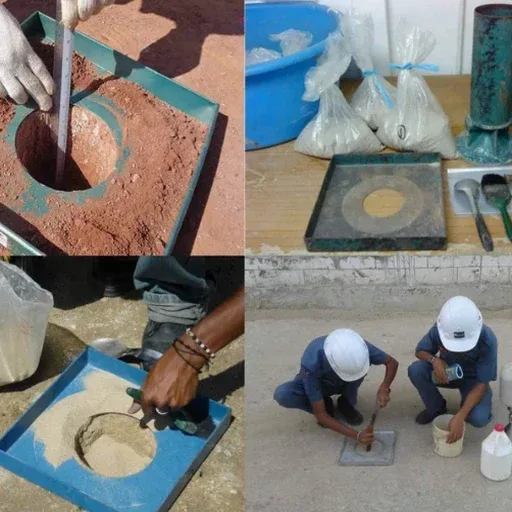
In Stockton, we often see pavement failures that trace back to the expansive clay subgrades common across the Central Valley. The San Joaquin River Delta creates a unique moisture regime where the water table sits within a few feet of the surface in many areas, and seasonal drying cycles cause significant volume changes. A pavement section that works in Manteca will not necessarily hold up on the north side of Stockton without adjusting the structural number. We design flexible pavement systems that account for these local conditions from the subgrade up, using site-specific resilient modulus values rather than generic assumptions. Before finalizing the asphalt layer thicknesses, we typically run a CBR field test to calibrate our inputs and confirm the subgrade strength under actual moisture conditions.

A flexible pavement in Stockton fails from the bottom up. Without controlling the subgrade moisture, even a well-designed asphalt layer will rut within the first five years.
Our service areas

How we work

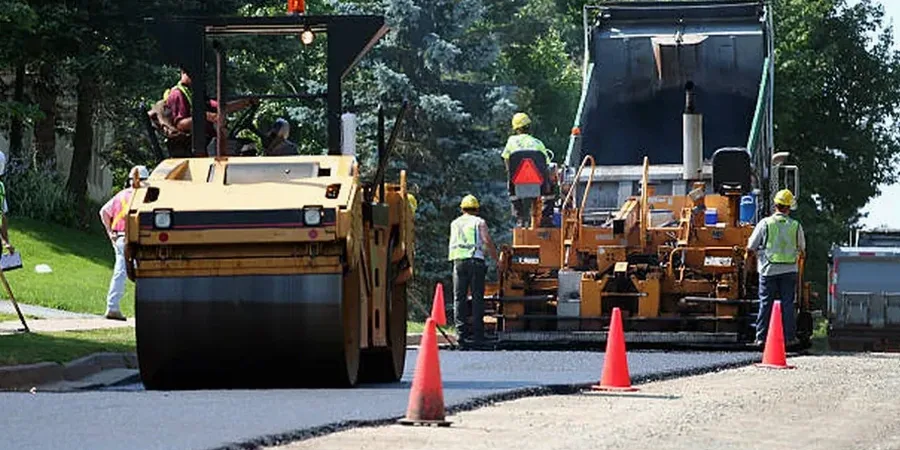
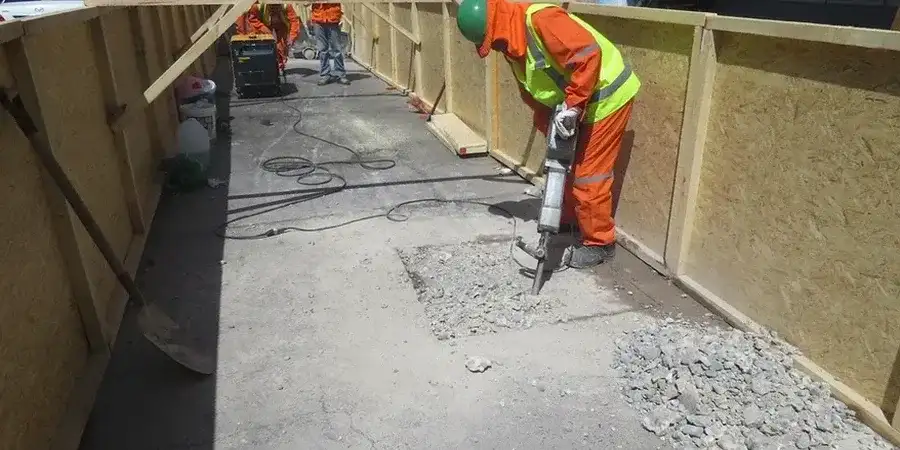
With a population exceeding 320,000, Stockton generates heavy truck traffic on arterials like March Lane and Pacific Avenue that demands more than a standard Caltrans section. Our flexible pavement design follows the mechanistic-empirical approach outlined in the AASHTO 1993 Guide and the more recent AASHTOWare Pavement ME, layering hot mix asphalt over aggregate base and subbase courses to distribute loads before they reach the native soil. We specify binder grades compatible with the Central Valley's summer heat, where pavement surface temperatures routinely surpass 140°F. For projects on compressible ground near the Port of Stockton, we combine the pavement design with a deep excavation analysis when underground utilities or drainage structures require trenching below the water table. This integrated approach prevents the pavement from cracking at utility crossings.
Flexible Pavement Design in Stockton, CA
Technical reference — Stockton

Local geotechnical context

The soils underlying much of Stockton are Pleistocene to Holocene alluvial deposits with high clay content, classified as CH or CL under the Unified Soil Classification System. These materials exhibit shrink-swell potential, and when combined with the shallow groundwater table, they create a subgrade environment prone to pumping and loss of bearing capacity under repeated loading. The IBC classifies San Joaquin County within Seismic Design Category D, which introduces a lateral strain component that flexible pavements must accommodate. The risk of reflective cracking from underlying stabilized layers also increases if the cement content is not carefully controlled during subgrade treatment. Our pavement designs include geotextile separators and subsurface drainage details that prevent fines migration into the aggregate base, preserving the structural integrity of the section over its design life.

Need a geotechnical assessment?

Reply within 24h.

Email: info@geotechnicalengineering1.com

Explanatory video

Regulatory framework

AASHTO 1993 Guide for Design of Pavement Structures, AASHTOWare Pavement ME Design, ASTM D1883 (CBR test for subgrade and base materials), ASTM D1559 / D6927 (Marshall stability and flow), Caltrans Standard Specifications Section 39 (Hot Mix Asphalt), IBC (Seismic Design Category for San Joaquin County)

Technical parameters

ParameterTypical value
Design Traffic (ESALs)Up to 20 million for arterial roads
Asphalt LayersHMA surface + intermediate + base (PG 64-16 or PG 70-10 binder)
Aggregate Base Thickness6 to 12 inches of Class 2 aggregate base per Caltrans specs
Subbase Course4 to 8 inches of Class 1 or Class 2 subbase where CBR < 6%
Subgrade TreatmentLime or cement stabilization for expansive clays
Drainage LayerPermeable asphalt-treated base (ATPB) in high groundwater zones
Design Life20 to 30 years with proper maintenance schedule

Frequently asked questions

What does a flexible pavement design cost in Stockton?

For a typical project in Stockton, the design phase ranges from US$1,450 to US$5,590 depending on the project size, traffic data complexity, and whether laboratory resilient modulus testing is included. A small parking lot will be on the lower end, while a full arterial road with multiple sections and subgrade treatment specifications will be on the higher end.

How do Stockton's Delta soils affect pavement performance?

The high groundwater and expansive clays create two primary issues: moisture-related loss of subgrade strength and differential heave during wet seasons. We address this by specifying a thickened aggregate base, geotextile separation, and often lime treatment to reduce the plasticity index of the upper subgrade before placing the pavement layers.

Do you use the Caltrans mechanistic-empirical design method?

Yes. We follow Caltrans Highway Design Manual procedures for state-funded projects, and we use the AASHTO 1993 empirical method or AASHTOWare Pavement ME for municipal and private work. The choice depends on the traffic data available and the owner's preference, but both are calibrated for the materials and climate conditions we encounter in the Central Valley.

Location and service area

We serve projects in Stockton and surrounding areas.

View larger map