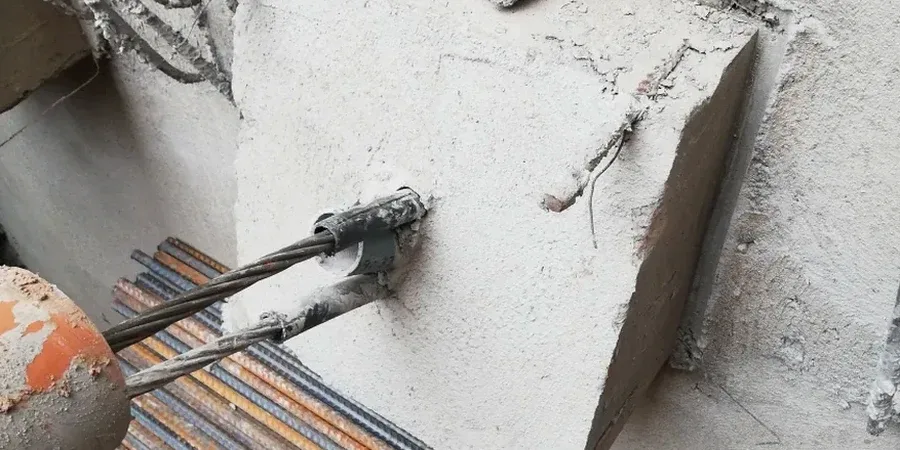
In Stockton, you learn quickly that the San Joaquin Valley’s deep sedimentary deposits don’t forgive shortcuts. Our engineers have seen projects near the Deep Water Channel where a standard retaining wall wasn’t enough—the soft clay layers demanded a tieback solution that could reach into competent strata. That’s where active anchor design becomes essential: it prestresses the ground before any excavation load is applied, locking the wall into place from the start. Passive anchors, by contrast, only engage once deformation begins, which works well in denser sand lenses but requires careful strain compatibility analysis. For waterfront structures or basement excavations near levees, the choice between active and passive systems isn’t academic—it dictates the slope stability safety factor and the long-term performance of the entire earth retention scheme.
A properly designed anchor system doesn’t just resist load—it redistributes stress into soil zones that haven’t been disturbed by excavation.